
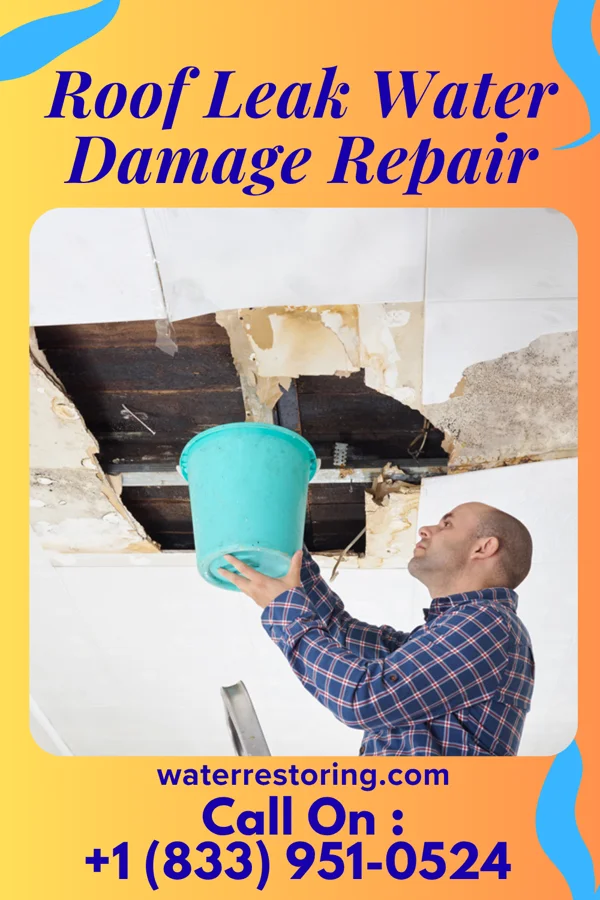
Why Roof Leaks Hit Waynoka Hard
The pattern in Waynoka is consistent. Waynoka experiences frequent thunderstorms and heavy rainfall, especially during the spring and summer months, which can lead to sudden roof leaks. The region is also prone to occasional tornadoes and severe weather events that can cause significant damage to roofing systems. drives most of the emergency restoration calls we get. A close second is High humidity levels throughout the year contribute to prolonged moisture exposure, increasing the risk of roof deterioration. Additionally, the area sees occasional hail storms that can damage roofing materials and create entry points for water..
Waynoka's climate, characterized by hot summers and mild winters, combined with frequent severe weather, creates a unique set of challenges for roofing systems. The combination of heat, moisture, and storms accelerates wear and tear on roofing materials.
Waynoka's climate, characterized by hot summers and mild winters, combined with frequent severe weather, creates a unique set of challenges for roofing systems. The combination of heat, moisture, and storms accelerates wear and tear on roofing materials. The dominant local driver is Waynoka experiences frequent thunderstorms and heavy rainfall, especially during the spring and summer months, which can lead to sudden roof leaks. The region is also prone to occasional tornadoes and severe weather events that can cause significant damage to roofing systems., with High humidity levels throughout the year contribute to prolonged moisture exposure, increasing the risk of roof deterioration. Additionally, the area sees occasional hail storms that can damage roofing materials and create entry points for water. showing up as the next most common cause. Damage builds in stages. Spread. Absorption. Microbial growth. Structural compromise. Every stage you pass through adds to the final bill.
For public guidance on the health effects of mold after prolonged water exposure, see the EPA mold and health page.